After-Care
Here’s a detailed breakdown of the aftercare process. Let me know if you have questions!
Here are some steps to follow for the best healing process!
After-Care
Tattoo aftercare during the first 30 days and beyond
How quickly you heal depends on the size of your tattoo and how intricate it is. Bigger tattoos will stay red and swollen longer because they cause more trauma to your skin.
Day 1
You’ll come home from the tattoo studio with a dressing over your tattoo. I will tell you how long to wait before removing the dressing.
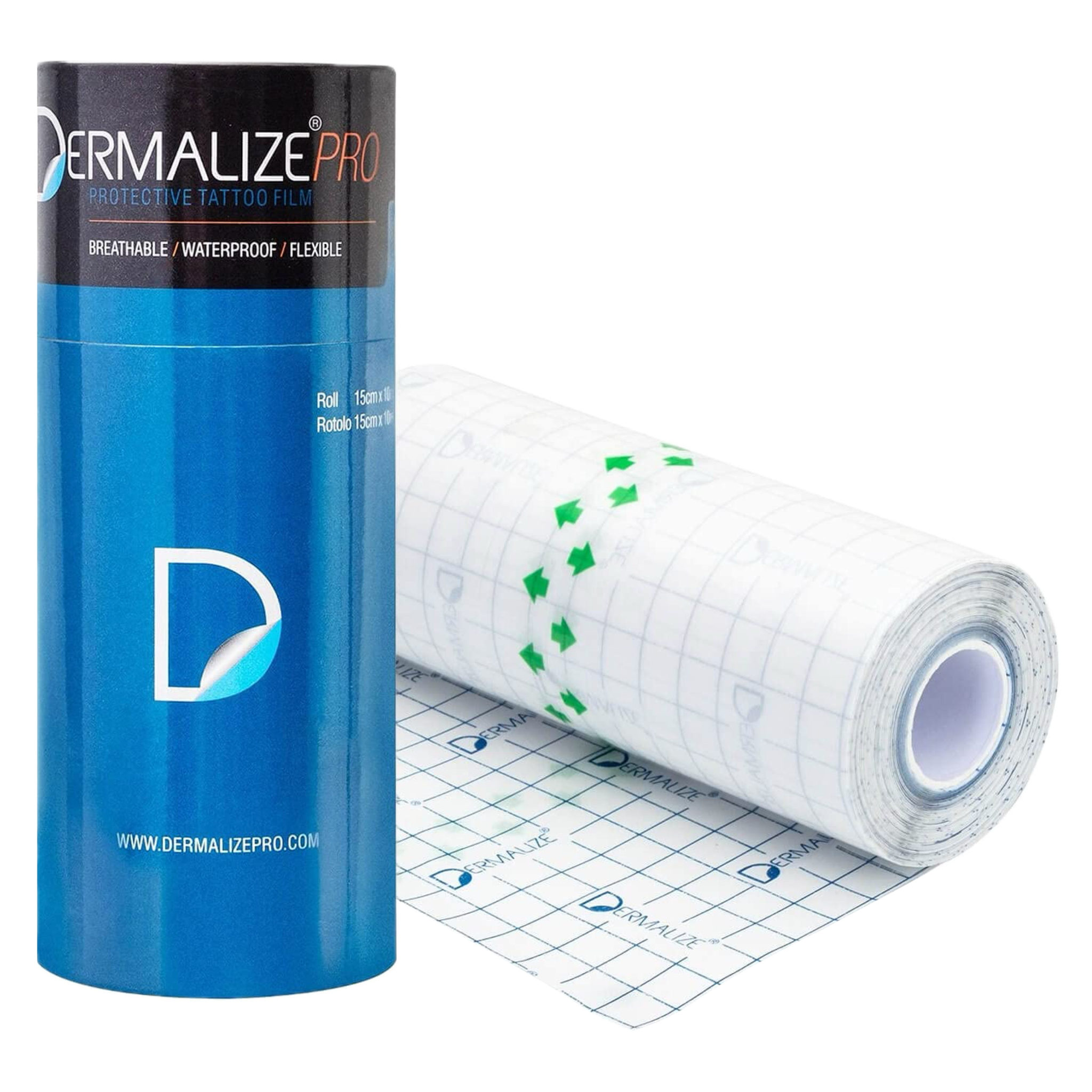
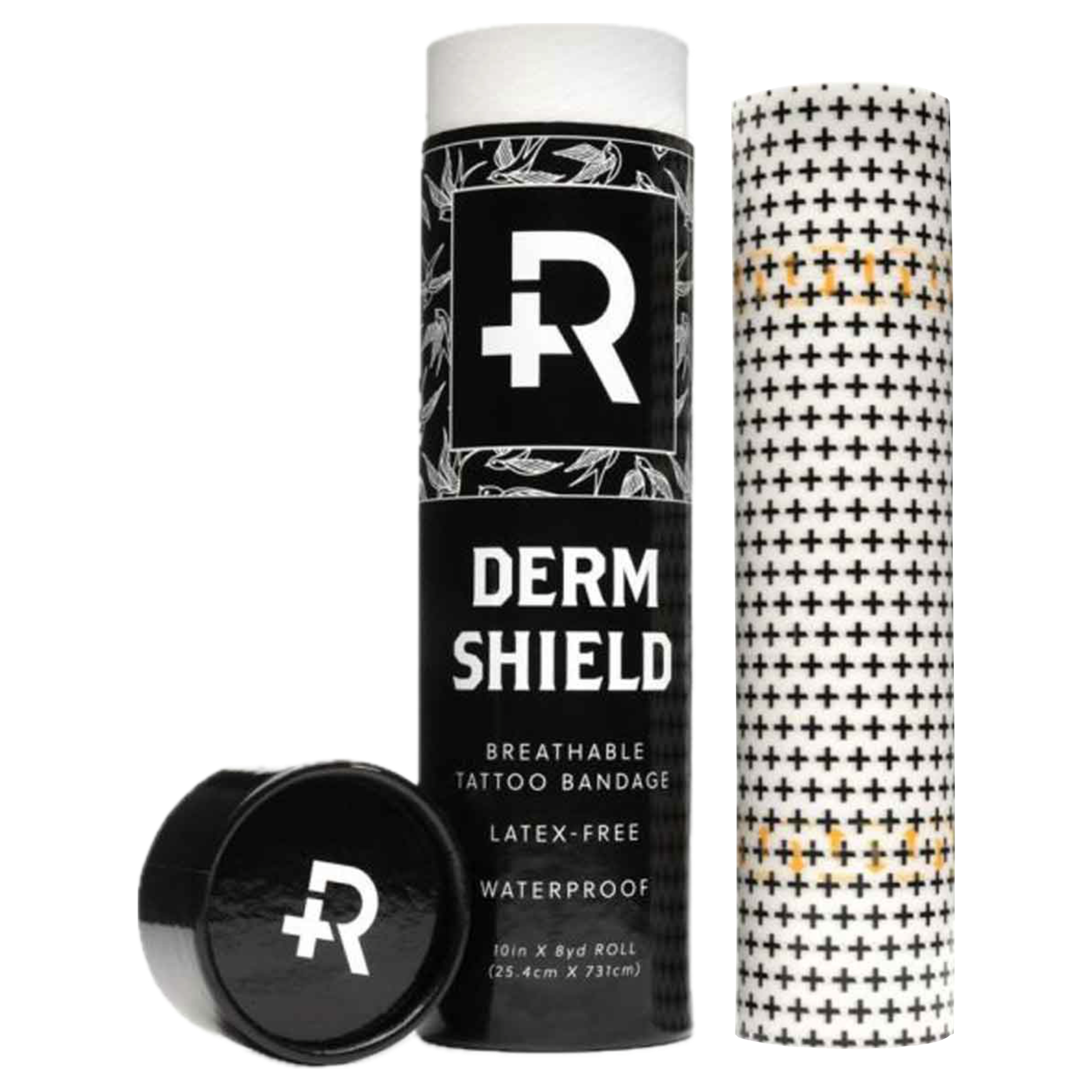
Plastic wrap and bandages can usually be removed within a few hours. Medical-grade adhesive, known as “second skin,” is designed to last several days. Common brands include:
Recovery Derm Shield
Dermalize
Saniderm
SecondSkin
Tatu-Derm
Tegaderm
You’ll probably notice fluid oozing from the tattoo. This is blood, plasma, and some extra tattoo pigment. Your skin will also be red and sore. It might feel slightly warm to the touch.
When it’s time to remove the dressing, wash your hands thoroughly before gently peeling back the wrap.
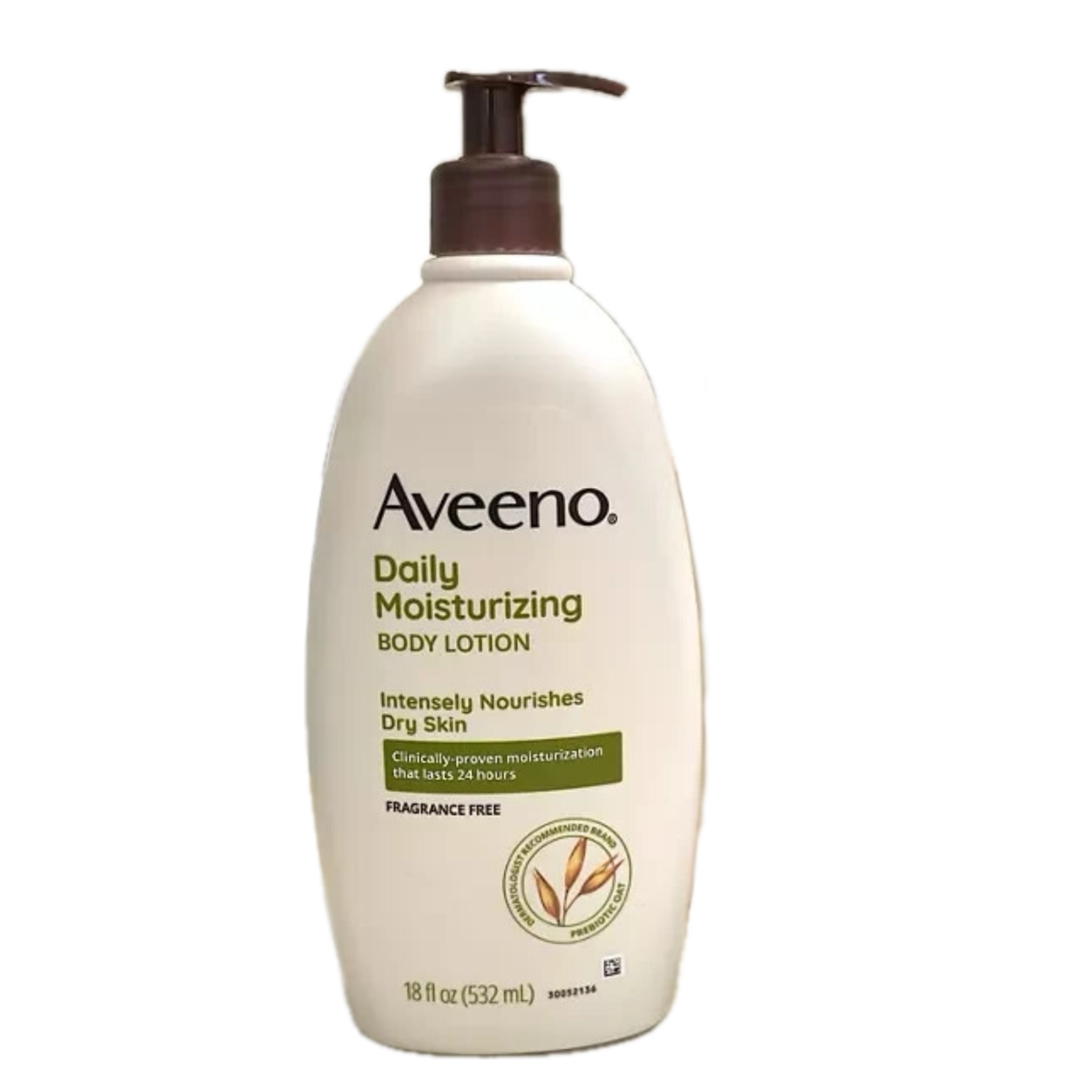
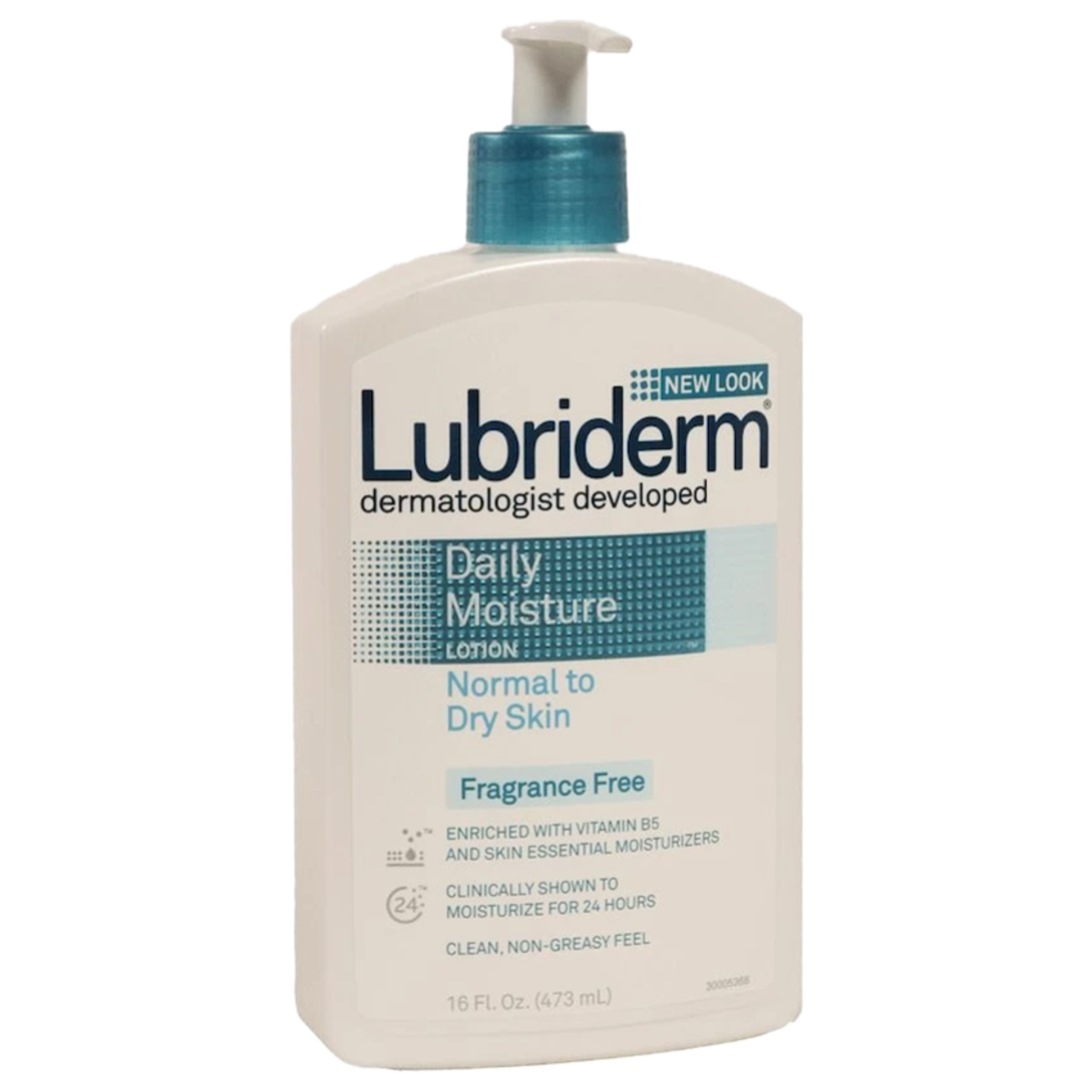
Use warm water and fragrance-free soap to cleanse the area. Rinse well before lightly patting the skin dry with a clean paper towel. Wait a few minutes before applying Aveeno, or Lubriderm.
Days 2–3
By now, your tattoo will have a duller, cloudier appearance. This happens as your skin heals. Scabs may start to form.
If you’ve already removed your dressing, continue to wash your tattoo two or three times a day. You might notice some tattoo ink running into the sink. This is just excess pigment that’s come up through your skin.
Allow the skin to dry before applying Aveeno, or Lubriderm.
Days 4-6
“Second skin” is typically removed during this time. I recommend running the area under warm water while you peel back the adhesive layer. Make sure your hands are clean before getting started.
You might find it helpful to pull to the side lightly, allowing the adhesive to stretch until it lifts from the skin slowly. Cleanse the area and allow the skin to dry before applying Aveeno, or Lubriderm.
Any redness should start to fade. You might notice some light scabbing over the tattoo.
The scabs shouldn’t be as thick as the scabs you get when you cut yourself, but they may be raised. Don’t pick at the scabs — this can cause scarring, It can also ruin the tattoo.
Keep washing your tattoo two or three times a day, and apply lotion as needed.
Days 6–14
By now, any scabs have hardened and will begin to flake off.
Don’t pick at them or try to pull them off. Let them come off naturally. Otherwise, you could pull out the ink and leave scars.
At this point, your skin may feel very itchy. Gently rub on a fragrance-free and alcohol-free moisturizer several times daily to relieve the itch. You may also give it a quick, and light sprits of Bactine. This can help with the itch.
If your tattoo is still red and swollen at this point, it's possible to have an infection. Go back to your tattoo artist or consult with a healthcare professional.
Days 15–30
In this last stage of healing, most of the big flakes will be gone, and the scabs should be going away. You might still see some dead skin, but it should eventually clear up, too.
The tattooed area might still look dry and dull. Keep moisturizing until the skin looks hydrated again.
By the second or third week, the outer layers of skin should’ve healed. It may take 3–4 months for the lower layers to heal completely.
By the end of your third month, the tattoo should look as bright and vivid as intended.